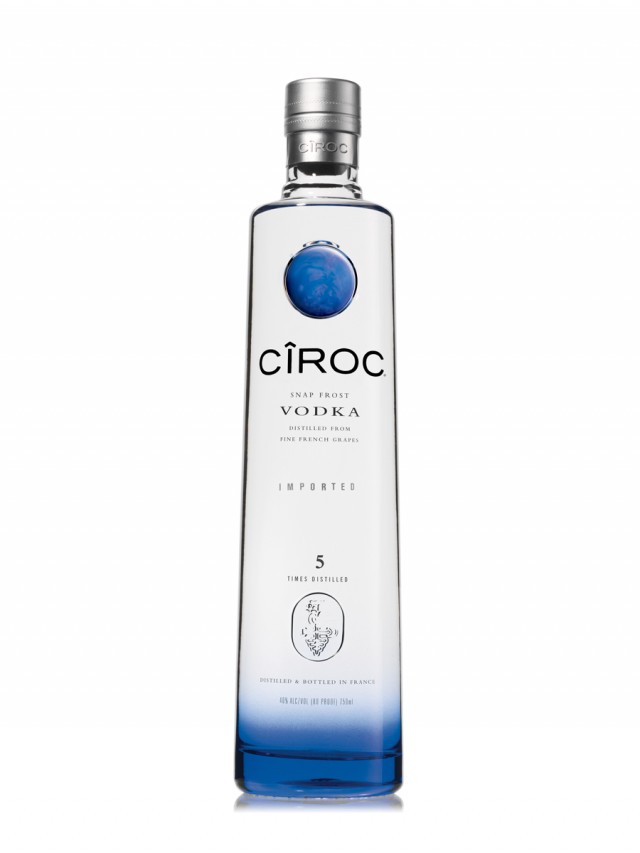

First Impressions — What Makes It Special
I tried Ciroc for the first time at a wine bar in Bordeaux — which felt appropriately incongruous — when a friend who worked in the wine trade insisted I needed to understand why this bottle was different from everything else on the vodka shelf. She was right, and it changed my perspective on the category. Ciroc is not just grape-based; it is grape-forward in a way that forces you to reassess your assumptions about what vodka is supposed to taste like.
The core proposition is this: instead of grain, Ciroc uses two grape varieties — Ugni Blanc and Mauzac Blanc — grown in the Gaillac and Cognac regions of southern France. These are wine grapes, harvested in late autumn and cold-fermented before distillation. The result is a vodka that carries genuine fruit character, floral elegance, and a silkiness that no grain or potato base can fully replicate. At $35, it sits comfortably in the premium tier and justifies the price through genuine differentiation rather than just a fancy bottle.
The Distillery — Story Behind the Spirit
Ciroc is produced at Maison Villevert in the Charente region of France — the same department as Cognac, though Ciroc is not cognac and makes no attempt to be. The distillery has deep roots in French grape spirit production, and that heritage shows in the approach to Ciroc's production process. The grapes are sourced primarily from Gaillac in south-west France, where Mauzac Blanc has been grown for centuries, and from the Cognac appellation for the Ugni Blanc component.
The vodka is distilled five times — four times in column stills and a final fifth distillation in a traditional Charentais copper pot still, the same type used for cognac production. That final pot still pass is what gives Ciroc its distinctive smoothness and helps preserve the delicate fruit and floral character of the grape base. Diageo partnered with the brand in the mid-2000s, and while the marketing has leaned heavily into luxury positioning, the production process itself has remained anchored in genuine French winemaking and distilling tradition. This is not a brand that achieved its premium status purely through image.
In the Glass
From the first inhale, Ciroc announces itself as something categorically different. The nose is elegant and unmistakably fruity — fresh grapes, white flowers, and a citrus blossom note that shifts between lemon and orange depending on the day. There is a delicacy here that is entirely absent from wheat or rye vodkas. It smells, frankly, like the aromatics of a good dry white wine before they were concentrated into a spirit.
The palate delivers on that aromatic promise. Silky is the right word — not just smooth, but genuinely silky, with a texture that coats the palate gently and dissipates cleanly. The fresh grape character comes through with subtle fruit sweetness that never tips into artificial or cloying territory. A floral lift adds mid-palate interest, and the overall impression is one of refinement and restraint. The finish is medium-long, smooth and clean, with a gentle fruity sweetness that lingers pleasantly. I have returned to it repeatedly over the years — at hotel bars in Tokyo, at rooftop parties in Miami, at a tasting event in London — and it consistently delivers this same elegant experience.
How to Drink It
Ciroc is one of those rare vodkas that works brilliantly both neat and in cocktails. Served very cold — almost frozen — it is genuinely excellent as a sipping vodka, the fruit character coming through cleanly with the cold suppressing any alcoholic edge. A small tulip glass, just slightly warmer than straight from the freezer, is my preferred vessel for this.
In cocktails, Ciroc's grape character opens up some interesting possibilities that grain vodkas cannot replicate. A Ciroc Sour — with lemon juice, a touch of simple syrup, and an egg white — is outstanding, the grape and citrus working together beautifully. I had an extraordinary Ciroc and elderflower cocktail at a bar in Melbourne that I have been trying to recreate at home ever since. For a more classic approach, a clean Vodka Martini with just a whisper of dry vermouth and a lemon twist showcases the spirit's elegance without overwhelming it. The French 75 made with Ciroc instead of champagne is a revelation. Versatile, refined, and consistently delightful.
The Bottom Line
Ciroc earns its premium status through genuine product differentiation. This is not a marketing story built on a neutral spirit — it is a distinctive, characterful vodka that happens to be produced from wine grapes in France, and every pour reflects that provenance. The grape base creates a silkiness and fruit character that set it apart from anything grain or potato can offer.
At $35 it is not cheap, but it is priced honestly for what it delivers. If you have never tried it, you owe it to yourself as a spirits enthusiast to experience vodka through this entirely different lens. If you already know it and are drinking it in a Vodka Cranberry, please do yourself a favour and try it neat. You will understand immediately why it deserves an 8/10.