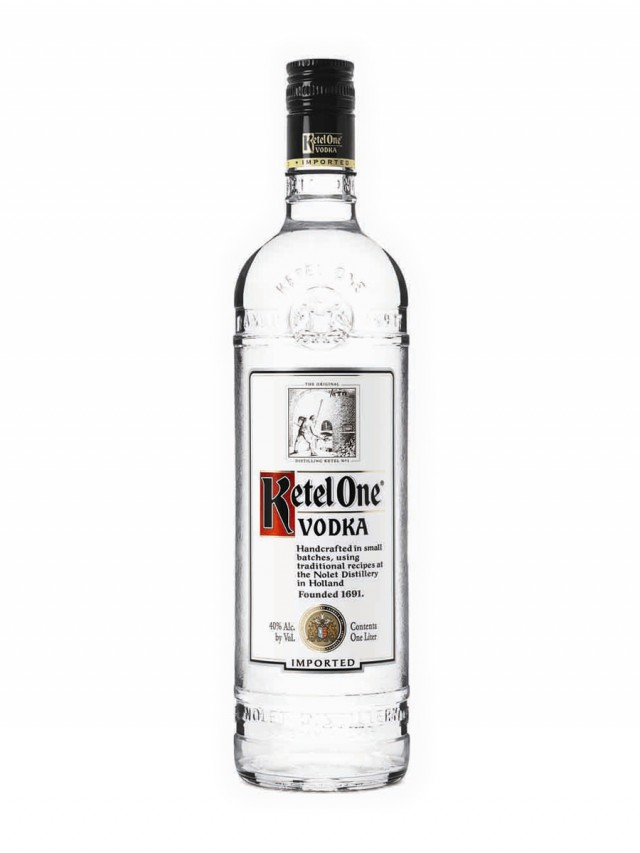

Heritage & Distillery
The Nolet Distillery in Schiedam — the Dutch city that was, in the seventeenth and eighteenth centuries, the centre of the global jenever trade and consequently one of the most important distilling locations in the Western world — has been in continuous operation since 1691, when Joannes Nolet established the enterprise that would, over the course of three subsequent centuries and ten generations of family ownership, evolve from a jenever producer into the creator of one of the most admired premium vodkas in the contemporary market. This heritage is not merely decorative — it represents an accumulated institutional knowledge of distillation techniques, flavour development, and quality assessment that no newly founded craft distillery can replicate, however talented its founders, however expensive its equipment. The Nolet family's decision, in the 1980s, to develop a premium wheat vodka that would apply their centuries of distilling expertise to an emerging global category produced Ketel One — a name derived from the original coal-fired pot still, Distilleerketel #1, which continues to play a central role in the spirit's production to this day.
Diageo acquired a fifty percent stake in Ketel One in 2008, providing the distribution infrastructure and marketing resources of the world's largest spirits company while leaving operational control firmly in the hands of the Nolet family — an arrangement that has, by the evidence of the product, served both parties and the consumer well. The combination of Nolet's technical expertise and Diageo's global reach has made Ketel One one of the leading premium vodkas in the American market and increasingly prominent across Europe, without any apparent compromise in the quality or integrity of the liquid itself.
Production
What distinguishes Ketel One from virtually every other premium vodka on the market is its unique hybrid production method — a combination of pot still and column still distillation that is, to the knowledge of this reviewer, genuinely without parallel in the category and that produces a spirit of notable complexity and character. The base spirit is first produced in a continuous column still — the workhorse of modern vodka production — to achieve a high degree of purity and a clean, neutral foundation. A portion of this spirit is then redistilled in the original copper pot stills — Distilleerketel #1 and its successors — a process that reintroduces the complex congeners that column distillation tends to remove and adds the weight, texture, and aromatic richness that pot still production has always been understood to contribute. The two distillates are then blended in a proportion that Carl Nolet Sr., who oversaw the vodka's development, arrived at after years of experimentation.
The resulting spirit is rested for a period in tile-lined tanks before bottling — a maturation step, albeit a brief one, that allows the blended distillates to integrate and develop a coherence that immediate bottling would not achieve. The water used for reduction is drawn from a source selected for its soft, mineral-neutral character, consistent with the Dutch tradition of using water quality as a fundamental element of production rather than an afterthought. The totality of the process reflects a depth of craft knowledge that three centuries of distilling inevitably produce and that commands this reviewer's unreserved respect.
Tasting Notes
The nose of Ketel One is fresh, clean, and distinctly citrusy in a manner that immediately signals the influence of the pot still distillation — that particular brightness and aromatics lift that continuous column distillation alone rarely achieves. Clean wheat is present at the base, providing the honest grain foundation that any good wheat vodka must offer, but it is the honeysuckle and white pepper that make the Ketel One nose distinctive and memorable — the honeysuckle floral note is delicate and precise rather than overpowering, and the pepper is integrated rather than assertive, providing structure without dominance. The overall aromatic impression is of a spirit that is simultaneously clean and characterful — a balance that is technically very difficult to achieve and that speaks directly to the intelligence of the pot/column hybrid approach.
On the palate, Ketel One delivers with admirable consistency on the promise of its nose — crisp and silky, with a citrus brightness that carries through from the aromatics into the mid-palate, accompanied by a soft wheat sweetness that grounds the profile and prevents the citrus from becoming sharp or aggressive. A touch of honey adds a warmth and roundness that elevates the palate experience above the merely competent, and the overall impression of exceptional smoothness is genuine rather than merely the result of a vapid neutral spirit. The finish is medium to long in length — longer than one might expect from a vodka at this price point — clean and progressively warmed by the lingering citrus and the gentle heat that the pot still distillate contributes.
The Serve
Ketel One is a vodka whose character is equally well-served by neat sipping and cocktail application — a genuine versatility that reflects its hybrid production method's capacity to balance purity with personality. Served neat over a single large clear ice cube in a lowball glass, the citrus brightness and honeysuckle note develop gradually as the ice introduces minimal dilution, creating a progressive sipping experience of genuine pleasure. In cocktail applications, the Ketel One Vodka Soda — with high-quality sparkling water and a generous squeeze of fresh lemon or grapefruit — is a serve that flatters the spirit's citrus character and rewards the drinker who resists the temptation to dilute quality vodka in overly assertive mixers. The Dirty Martini, made with Ketel One, a proper dry vermouth, and a measured quantity of good olive brine, is a cocktail of considerable distinction in which the honey and wheat notes provide an unexpectedly complementary counterpoint to the brine's salinity.
Verdict
Ketel One earns eight out of ten through the combination of three centuries of Dutch distilling heritage, an innovative and genuinely effective production method, and a flavour profile that offers substantially more complexity and character than its price point might suggest. It is, in this reviewer's assessment, the best everyday premium wheat vodka available in the international market — superior to Grey Goose in terms of character and versatility, and comparable to Belvedere in terms of overall quality while occupying a slightly more accessible price point. The Nolet family's ten-generation commitment to the craft of distillation is not a marketing claim but a demonstrable reality, and Ketel One is its finest and most widely accessible expression.